01 / ORION SERIES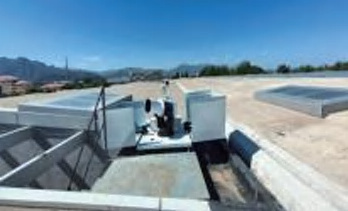
High-sensitivity observation
Orion-TS280-4K-PRO
A large-aperture, integrated optical system for sensitive detection and precision tracking of space objects.
280 mmAPERTURE
6.5° × 6.5°FIELD OF VIEW
Integrated optical observation systems, vacuum-cooled scientific imaging and intelligent onboard processing. The engineering foundation behind a clearer view of space.
Selected systems developed and manufactured by our parent company, Changguang Aorun. Discuss configuration and suitability with us for your observation requirements.
A large-aperture, integrated optical system for sensitive detection and precision tracking of space objects.
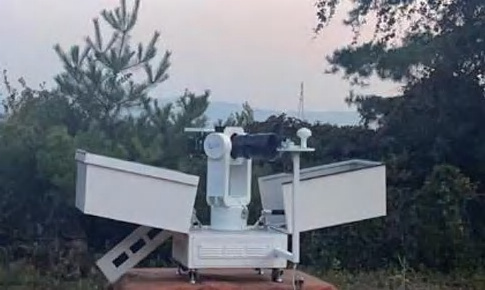
A compact, wide-field platform combining automated observation, scientific imaging and onboard processing.
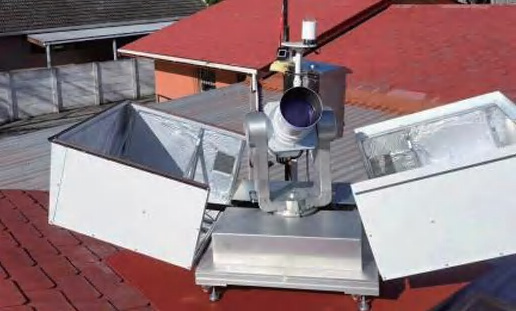
A high-resolution configuration for scientific observation, with a 61-megapixel sensor and low-noise cooled imaging.
Specifications are drawn from the supplied manufacturer catalog. Product images show parent-company systems. Positioning accuracy figures apply to stars and low- and high-orbit targets; observing conditions affect performance. Final system configuration should be confirmed against your site and mission requirements.
Our parent company’s core technology combines scientific-grade sCMOS sensing, proprietary permanent-vacuum packaging and multistage thermoelectric cooling.
The result is an integrated approach to low-noise image acquisition and processing.
Permanent-vacuum packaging and semiconductor cooling help reduce sensor noise and support sensitive observation of faint targets.
Image acquisition, target identification and positioning are handled within the instrument, reducing the need to transmit raw images for routine processing.
High-precision tracking mounts and astronomical calibration models support accurate angular measurements.
Integrated weather sensing and automatic protection mechanisms support automated observing routines with less manual intervention.
Optics, imaging, software and instrument control are designed to work together. Compact configurations bring the observation workflow into a unified platform, with power and network connectivity supporting deployment.